Motor milestones have wide, normal ranges: most babies learn to sit without support somewhere between 4 and 9 months, standing alone and first steps often between 8 and 18 months. Free play on a safe, flat surface is the best practice. Falling is part of learning; your job is making sure falling is safe. If you are worried about development, your child health clinic is the first place to ask.
What to remember
- The ranges per milestone are wide. Later than the neighbour's baby is usually simply normal.
- Floor time is gold: free movement on a flat, firm surface teaches more than any gadget.
- Falling is part of learning to stand and walk. Make the environment soft and safe instead of restricting the practice.
- Trust your instinct: one conversation with your health clinic is worth more than ten search queries.
Why one child sits earlier than another
The World Health Organization followed thousands of healthy children and saw exactly what parents see daily: enormous, perfectly normal differences. Most babies manage sitting without support somewhere between 4 and 9 months, standing alone on average between 7 and 17 months and walking alone between 8 and 18 months.
The order is not sacred either. Some babies skip crawling and shuffle across the room on their bottom, others army-crawl for months. What matters for development is that your child keeps finding new ways to move, not which route it chooses.
The big milestones in a row, with honest ranges
Read the ages below as wide windows, not deadlines. Child health services across Europe track development by looking at the whole child rather than a single isolated milestone; in the Netherlands this is done with the Van Wiechen assessment.
- Rolling: often between 3 and 7 months, from tummy to back and the other way around.
- Sitting without support: usually between 4 and 9 months, wobbly at first with hands as support.
- Crawling on hands and knees: often between 5 and 13 months, and some babies skip it.
- Pulling up to stand and cruising along furniture: often between 6 and 14 months.
- Standing alone: on average between 7 and 17 months.
- First independent steps: usually between 8 and 18 months.
The best exercise: floor time on a good surface
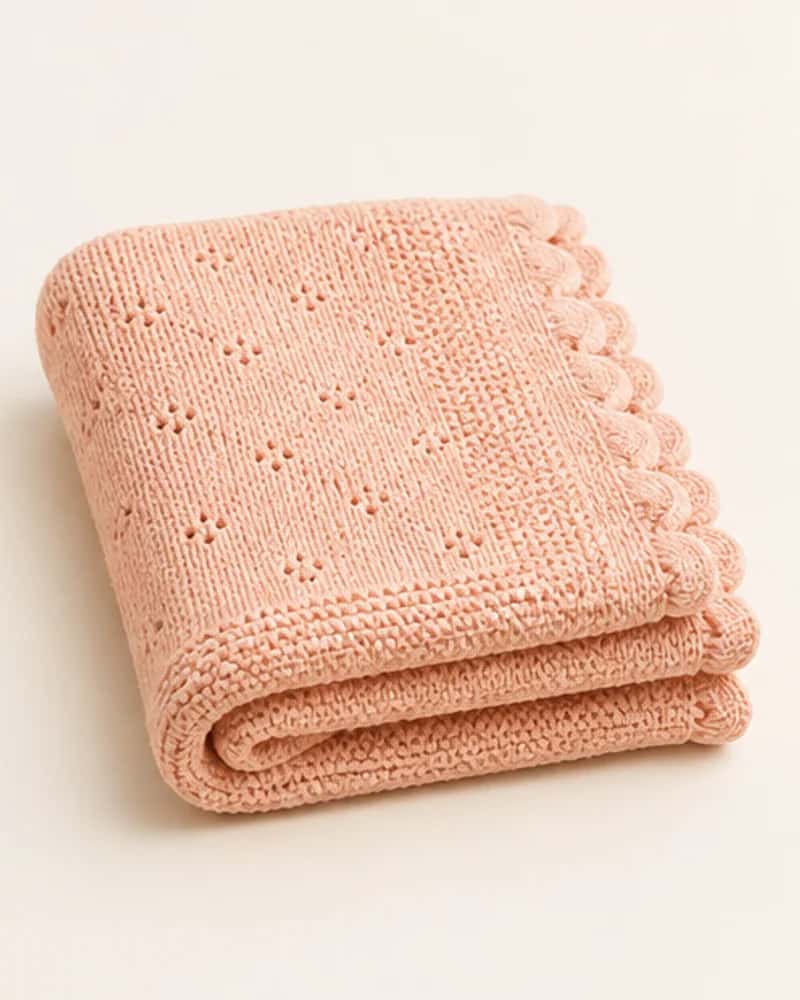
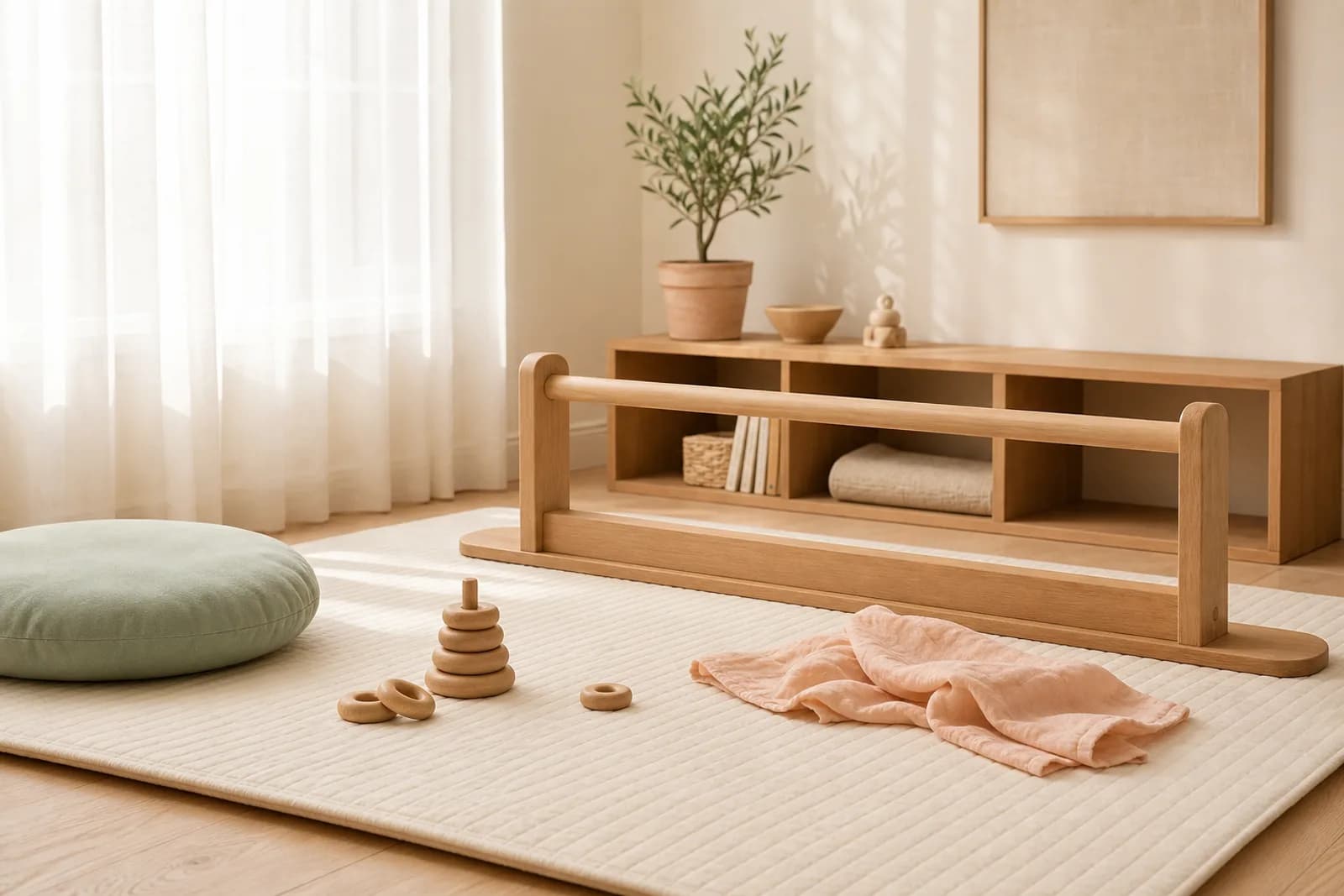
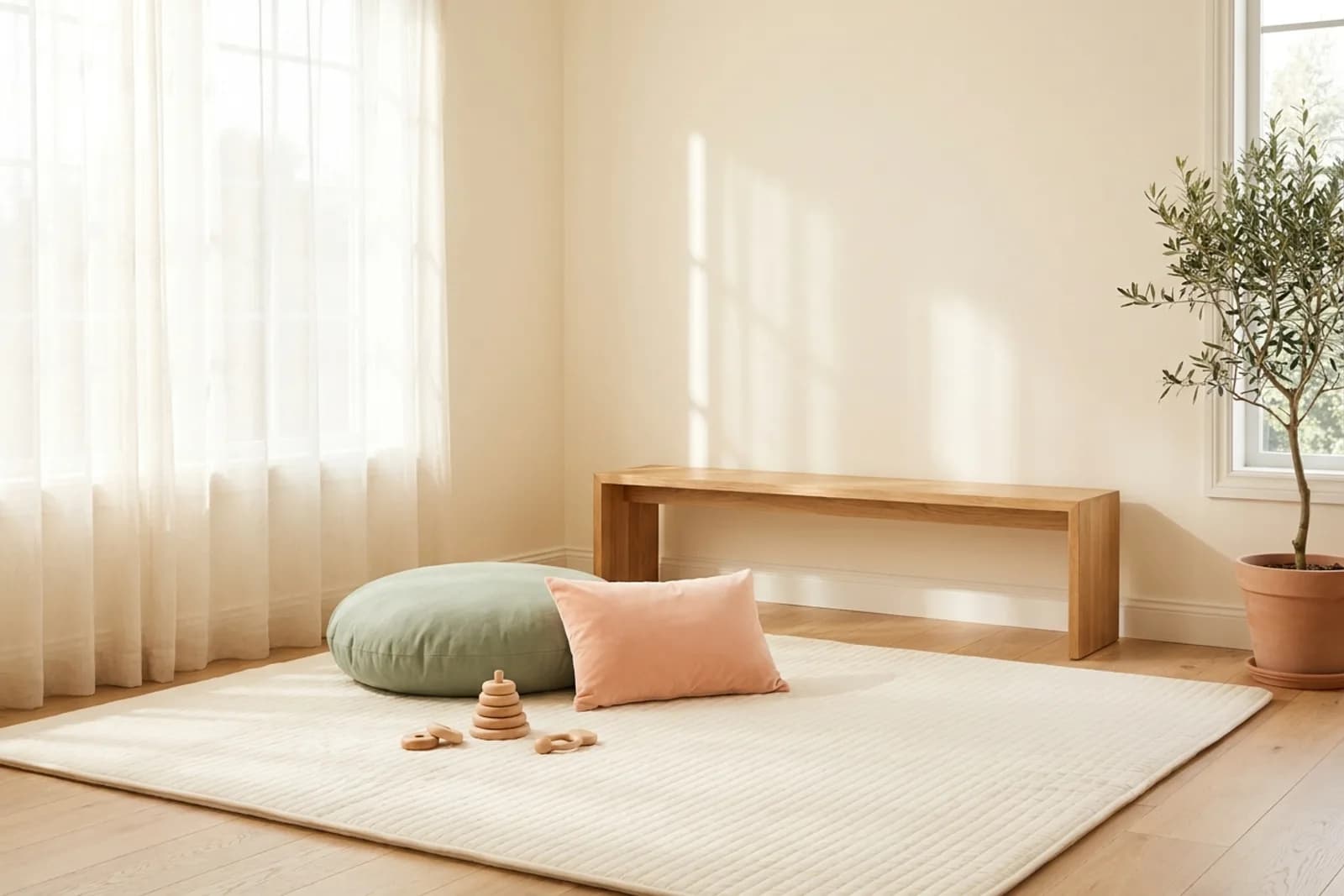
Babies learn to move by moving. A flat, firm and clean surface with freedom to move invites exactly that: firm enough to push off, soft enough to forgive a miss. A play mat or firm blanket on the floor works better than a soft sofa or bouncer seat.
Place a toy just out of reach and you have the oldest and best movement training there is. Vary positions: tummy time while your baby is awake and you are there, back play for reaching and rolling, and together on your lap to watch the world upright.
Falling is part of it: soften the landing, not the learning
Whoever learns to stand also learns to plop down. That is not a design flaw but part of the learning process: every plop trains balance and muscles. Your job is not to prevent every fall, but to arrange the environment so falling rarely hurts.
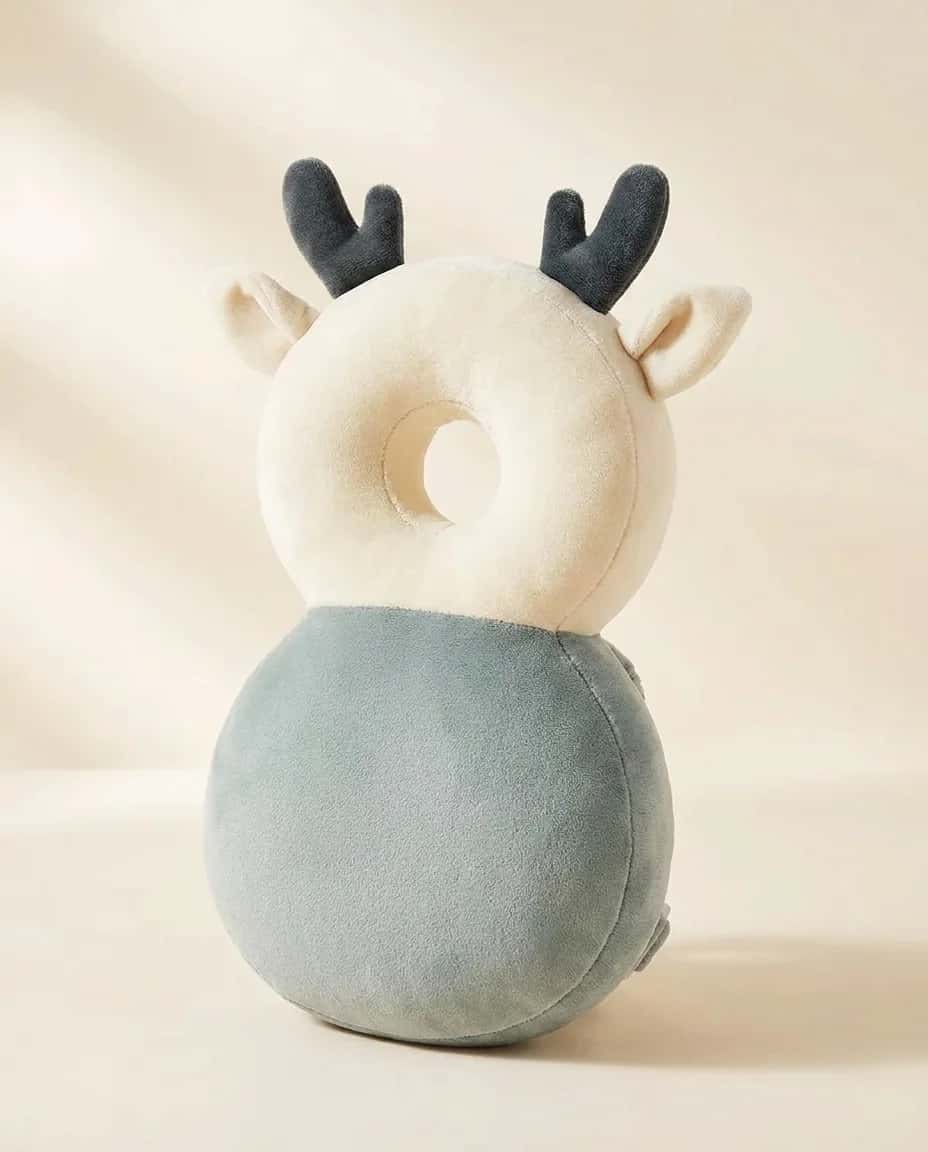
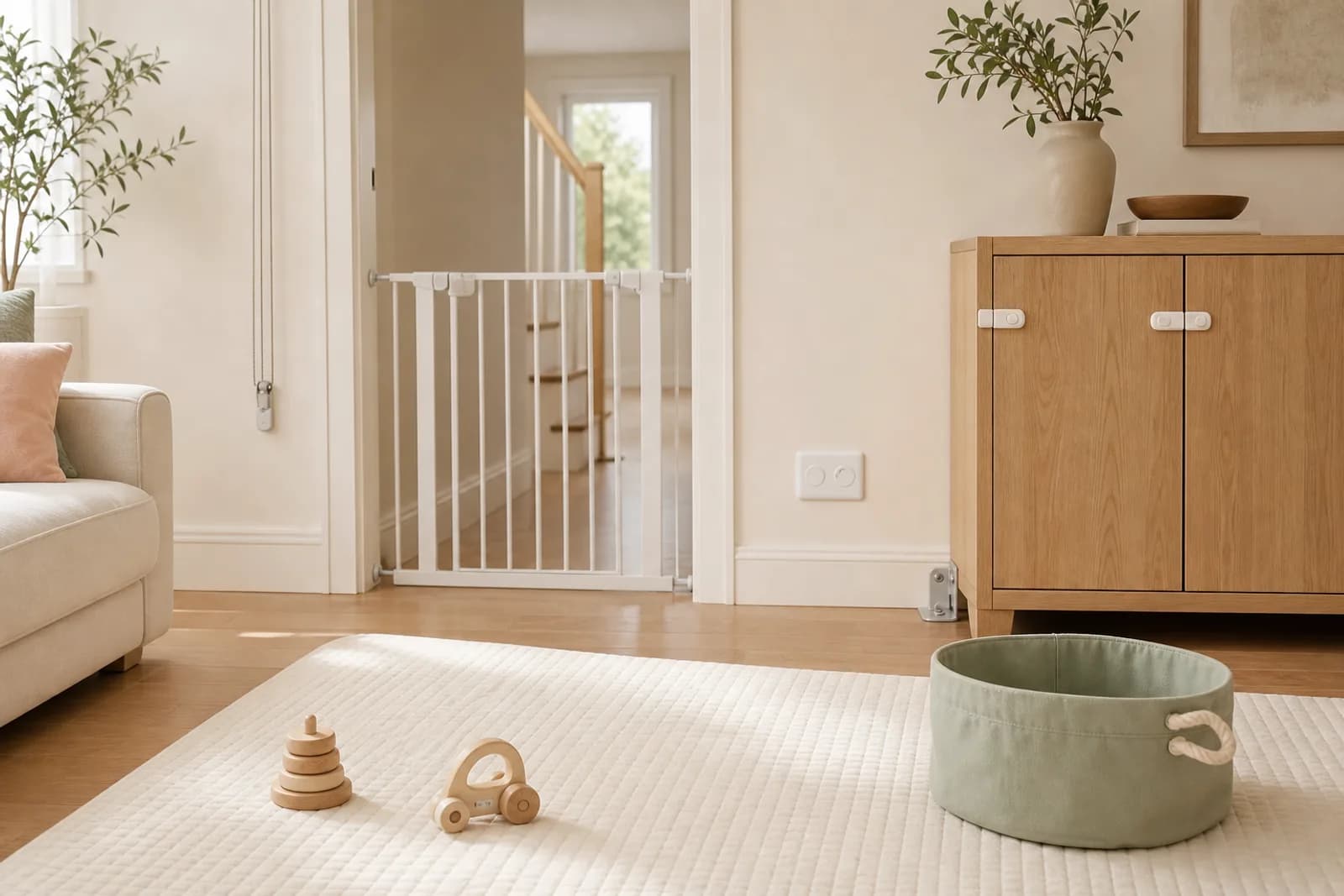
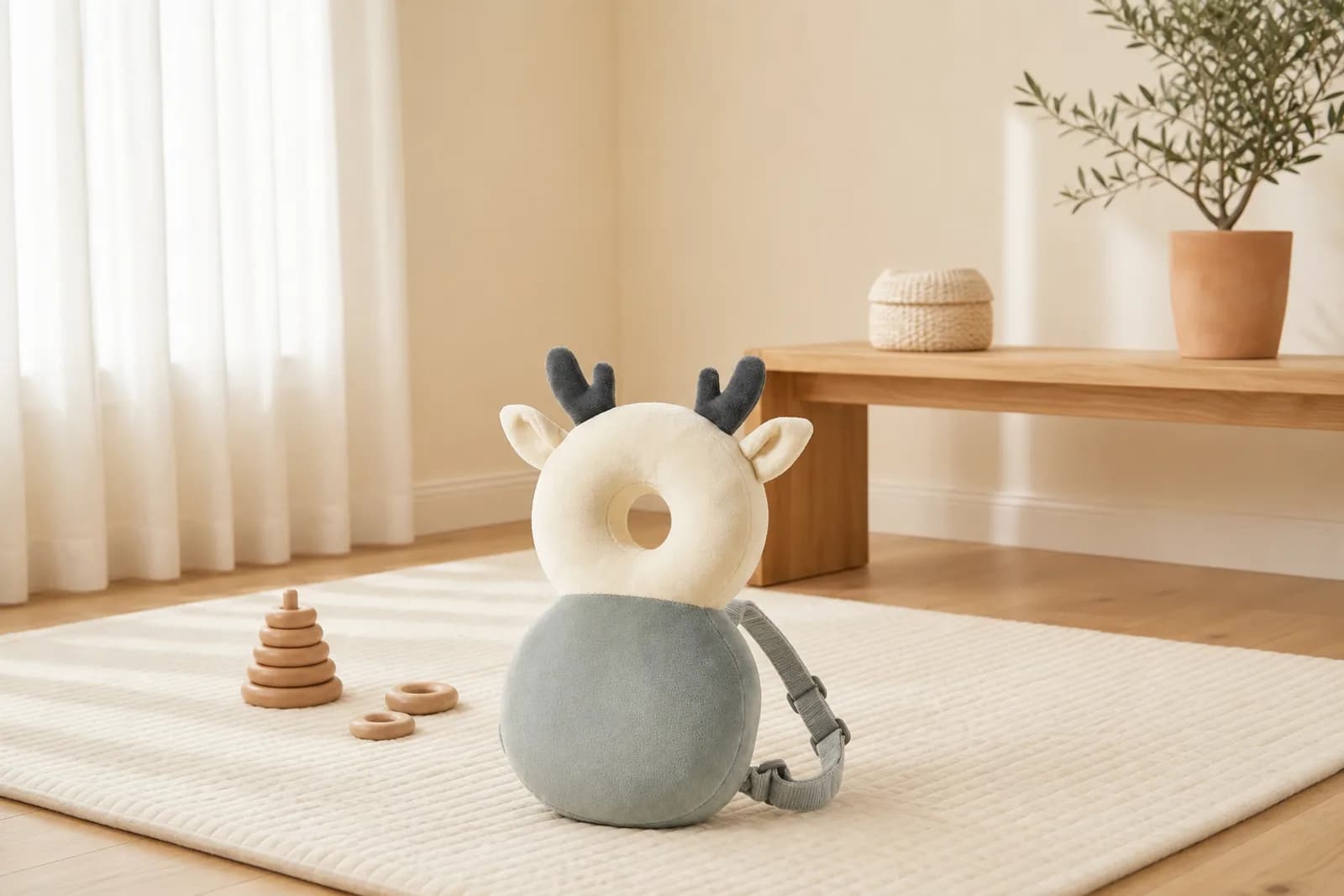
Think of a soft floor or play mat in the practice corner, sharp table corners shielded, and no hard or sharp objects at plopping height. A soft cushion worn on the back can make a plop onto the bottom or the back of the head a bit more comfortable. See it as comfort, not protection: it never replaces a safe environment and certainly not your presence.
If a fall does go wrong, for instance from a height or with the classic bump, trust your instinct. With drowsiness, vomiting, crying that does not stop or other unusual behaviour after a fall, contact your doctor or out-of-hours service straight away.
Baby walkers, shoes and other promises
The temptation to speed up walking with gadgets is big, but most promise more than they deliver. In a baby walker a baby hangs in a position that does not replace real practice, and child safety organisations have warned for years about the fall risks, especially near stairs.
Bare feet are the best learning shoes indoors: your baby feels the floor and every small foot muscle trains along. Real shoes only become necessary for walking outside. And your hands, the sofa and the coffee table are together the best walking aid there is.
When to call your health clinic, and why that is okay
Wide ranges do not mean you can never raise a concern. Get in touch if your baby cannot sit independently at all around 9 to 10 months, clearly prefers one side of the body, loses skills it had already learned, or feels stiffer or floppier than you are used to.
Usually reassurance follows, sometimes an extra check, and that is exactly what child health services are for. Asking early is never exaggerated; it is simply paying attention.
Frequently asked questions
When can a baby sit without support?
Most babies learn to sit unsupported somewhere between 4 and 9 months. Wobbly at first with hands as support, then increasingly stable. That wide range is normal.
Is it a problem if my baby skips crawling?
No. Some babies shuffle on their bottom or go almost straight from sitting to standing. What counts for development is that your child finds its own new ways to move.
Does a baby walker help my baby walk sooner?
No, real floor time practises more. Child safety organisations also warn about fall risks of baby walkers, especially near stairs.
My baby keeps falling while practising. Should I intervene?
Falling is part of learning to stand and walk. Make the environment soft and safe, stay close and let the practising continue. With unusual behaviour after a hard fall, contact your doctor.
When should I worry about motor development?
Talk to your child health clinic if your baby cannot sit around 9 to 10 months, has a clear preference for one side, loses skills, or if your instinct says something is off.
Sources and review
The age ranges follow the WHO motor development milestones study; in the Netherlands follow-up runs through the Van Wiechen assessment at the child health clinic. This is general information, not individual medical advice. Last content review: 15 July 2026.