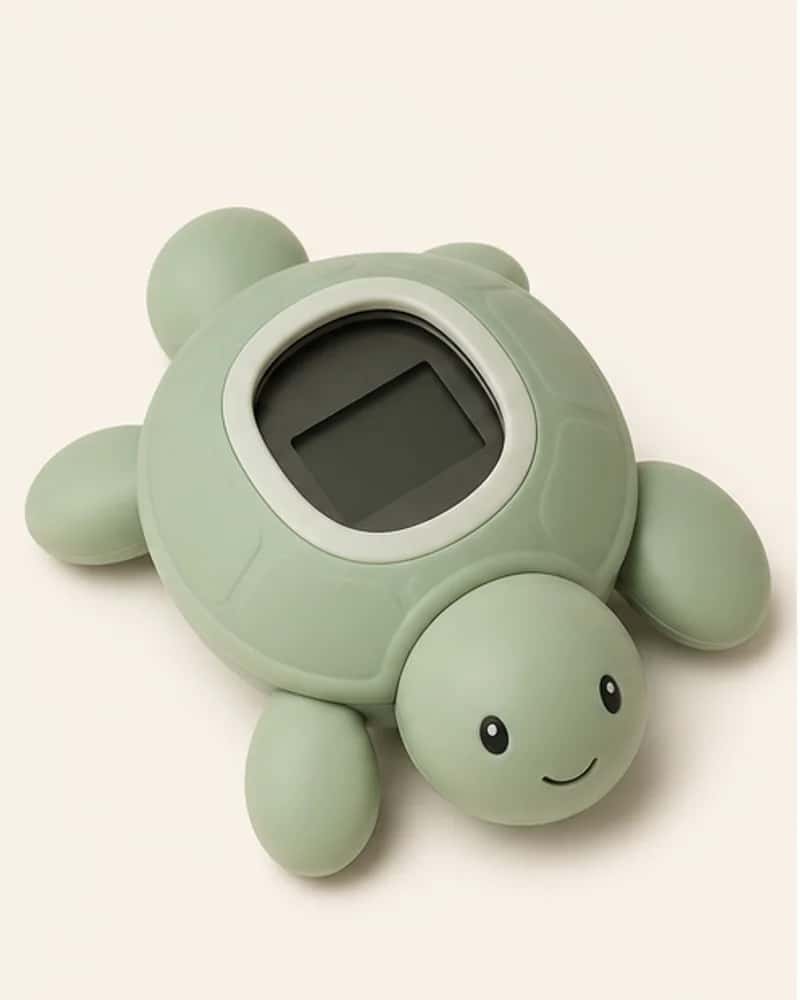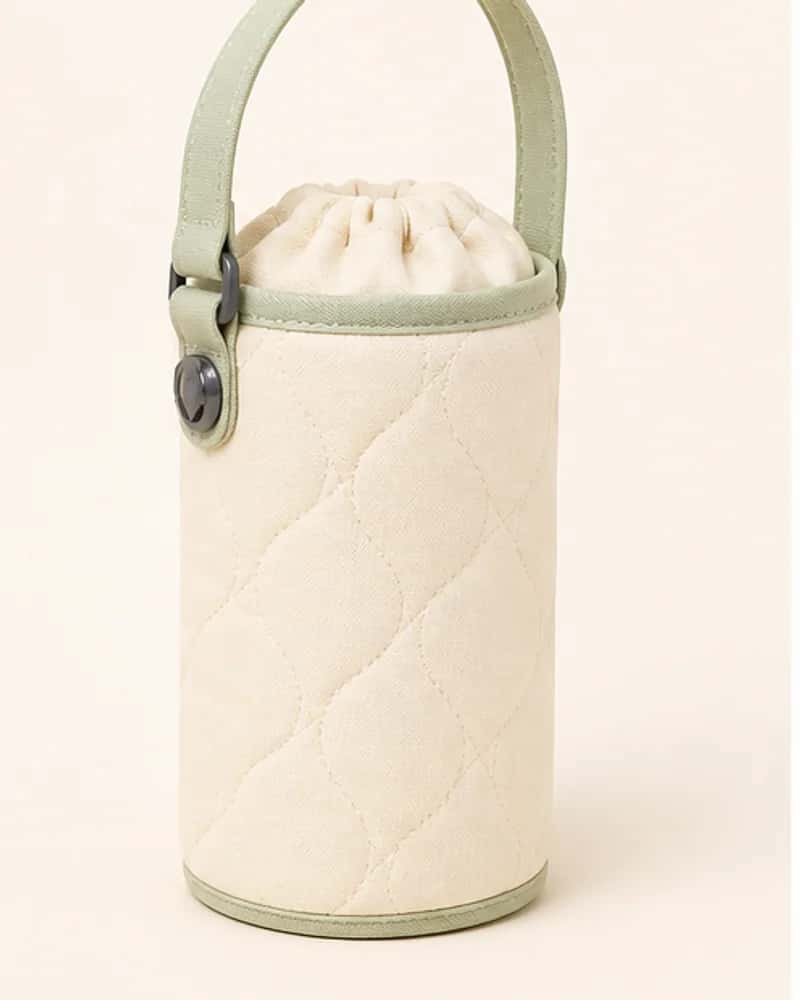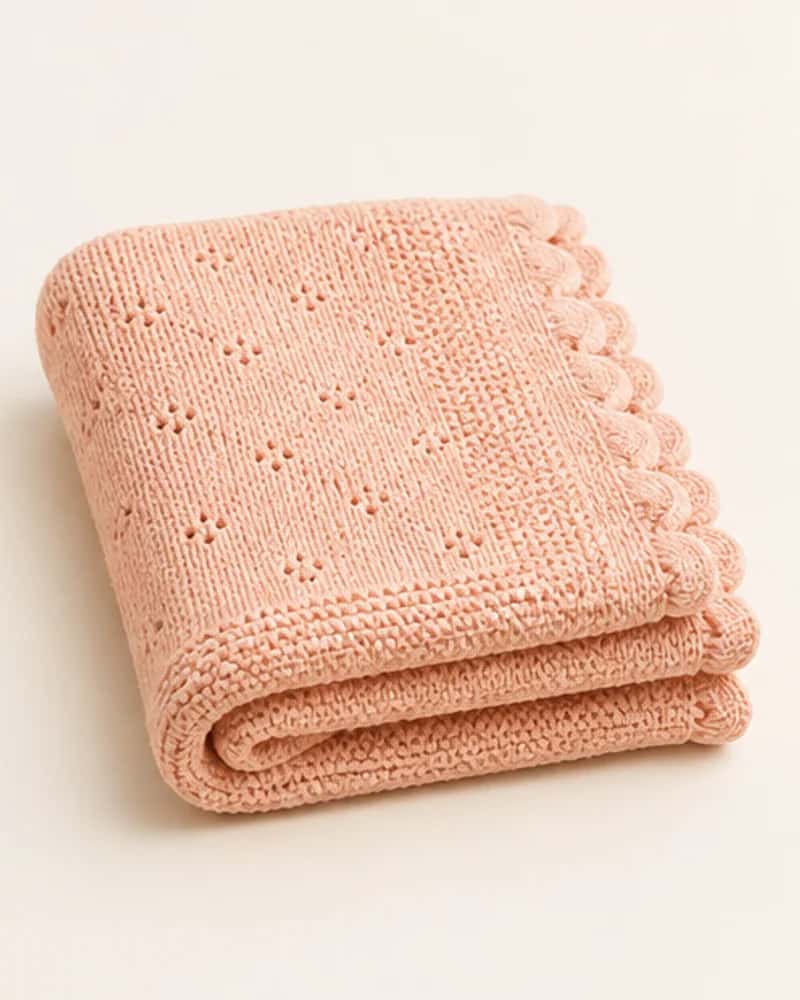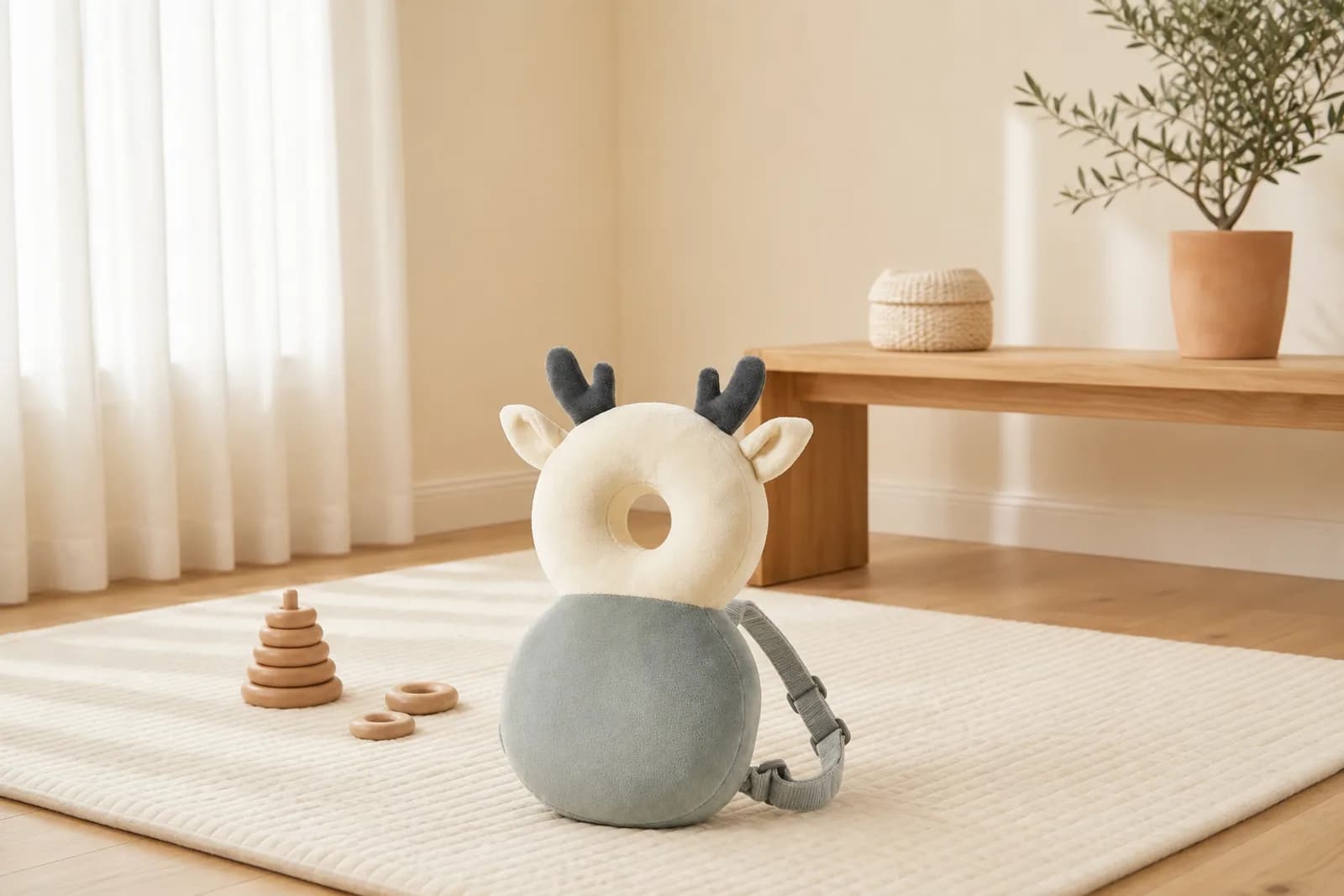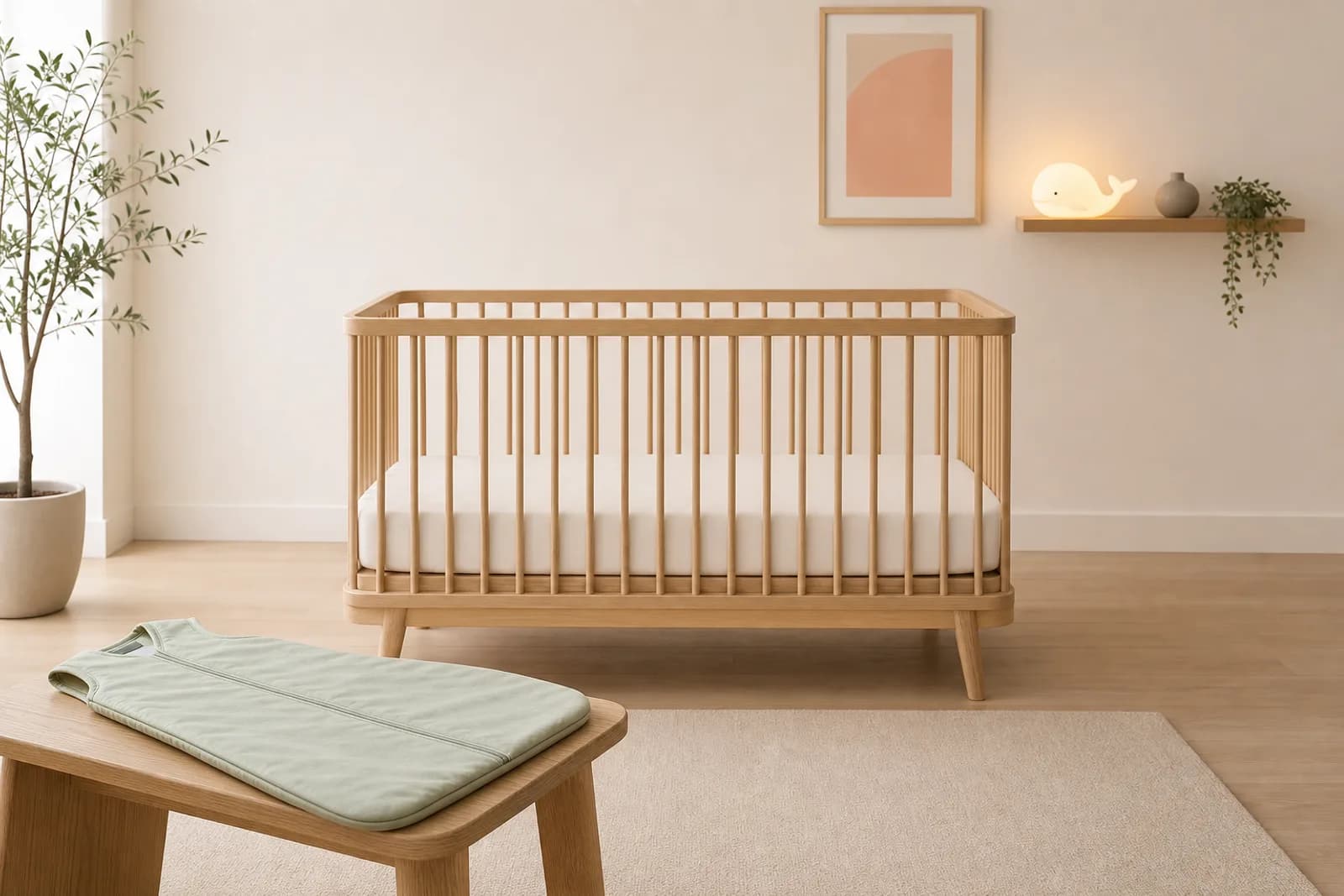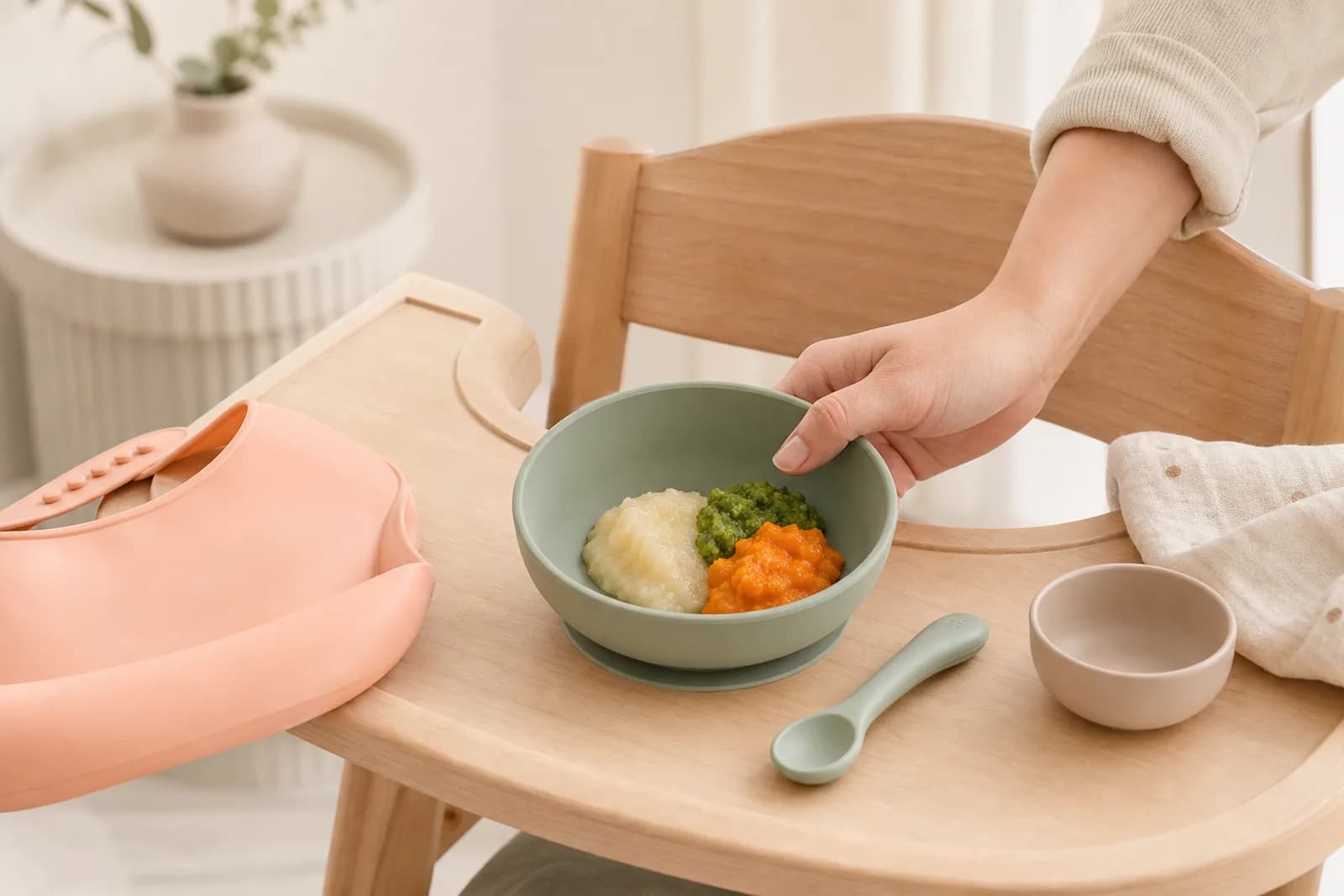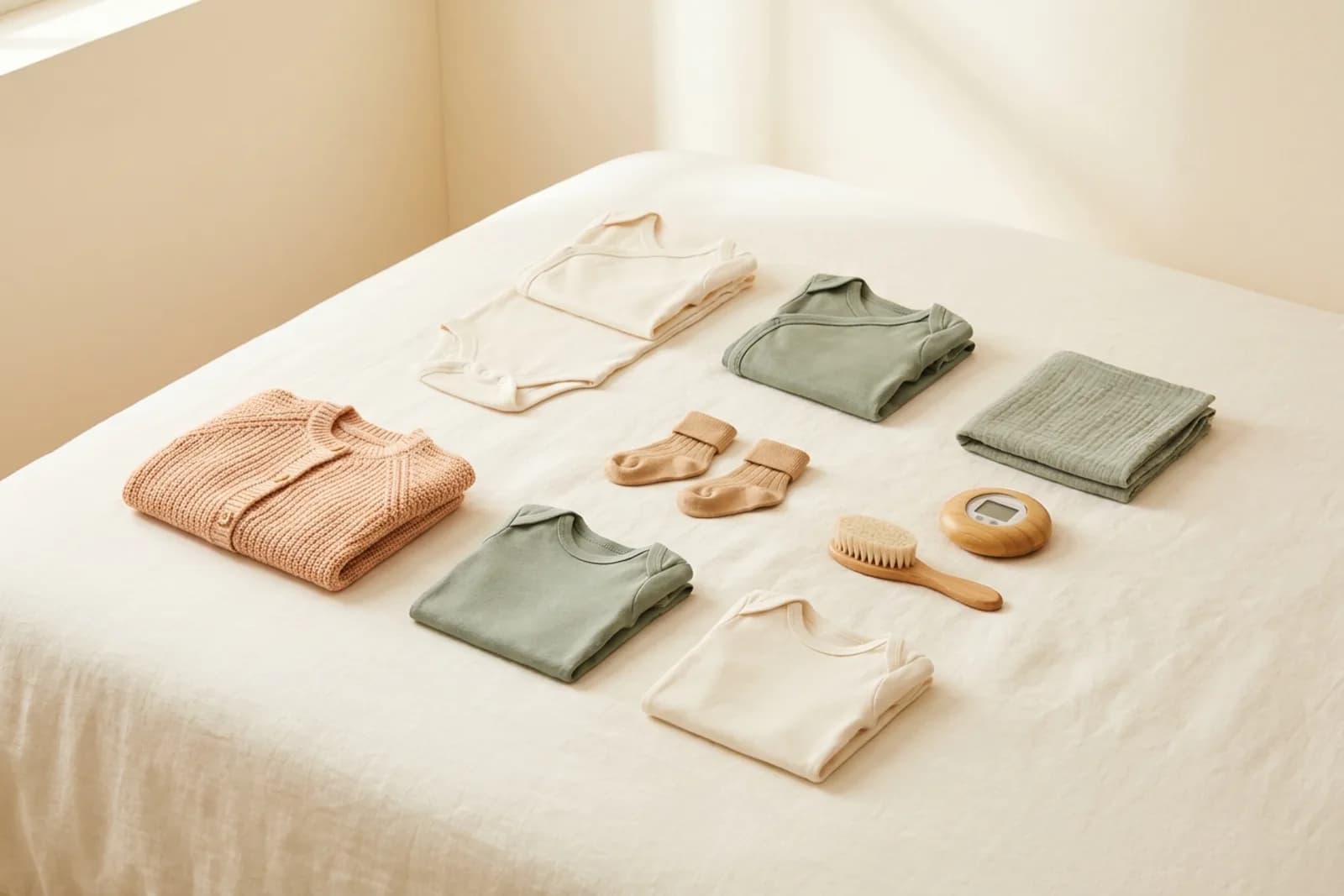
The true basics: six to eight bodysuits and sleepsuits in size 50/56, a safe cot with a firm mattress and fitted sleep sacks, muslin cloths, nappies, feeding supplies, a bath thermometer, basic care items and a car seat for transport. Everything else is comfort and can wait until you know what suits your family.
What to remember
- Buy small sizes sparingly: babies outgrow size 50/56 in weeks, not months.
- For the cot the safe sleep rule applies: firm mattress, tight sheet, otherwise empty.
- Muslin cloths are the true workhorse of the layette: buy plenty.
- Postpone big optional buys until after the first weeks. By then you know your baby.
How much clothing does a newborn need?
Less than you think, because clothing gifts are guaranteed. A few sets per size is enough, certainly at the start. Choose cotton, front-opening fastenings and nothing that has to be wrestled over the head.
- 6 to 8 bodysuits in size 50/56, some long-sleeved and some short-sleeved.
- 6 to 8 sleepsuits in the same sizes.
- 2 cardigans or jumpers, 2 pairs of socks and a hat for outdoors.
- 1 warm outdoor suit appropriate for the season.
- For summer: a sun hat; for winter: an extra layer of wool or fleece.
What do you need for safe sleep?
Here the safe sleep advice leads, and it actually shortens the list: a cot or crib with a firm, well-fitting mattress, two or three tight fitted sheets and well-fitting sleep sacks for the season. Nothing else belongs inside.
Pillows, duvets, bumpers, baby nests and cuddly toys are deliberately absent from this list. A baby monitor is optional but practical once the baby sleeps in another room, and a blackout curtain earns itself back double in summer.
What are the bath and care basics?
A baby bath or a simple tub for the first weeks, a bath thermometer to keep the water around 37 degrees, two hooded towels and a mild fragrance-free wash gel: that is the bath foundation. A changing mat with a few covers makes nappy changes comfortable.
For care: a soft brush, baby nail scissors or a file, a digital thermometer for the baby and wipes or washcloths. You need size 1 nappies from day one; buy one box and see how the fit works out before stocking up.
What do you need for feeding?
For breastfeeding: nursing bras, breast pads and possibly a pump, though that can also be arranged after the start. For bottle feeding: six bottles with newborn teats, a bottle brush and formula as advised by your midwife or health clinic.
For both: plenty of muslin and burp cloths. Count on ten to fifteen; they serve as burp cloth, mat, sunshade and later as a trusted comforter. An insulated bottle sleeve is great for on the go, as is a dummy case if you use a pacifier.
What is essential for getting out and about?
One item is legally required and non-negotiable: an approved infant car seat for the first ride home. A pram, a carrier, or both: choose based on your life. Lots of pavement and park, or lots of stairs and public transport?
A changing bag or organizer with fixed spots for nappies, wipes, a spare outfit and a dummy prevents frantic searching the moment your hands are full. Do not forget a rain cover and, in summer, a parasol or shade cloth.
What can you safely skip or buy later?
Some purchases are mostly marketing; others only become useful once your baby is a few months old. These can go off the list, or at least off today's list:
- Pillows, duvets, bumpers and nests: they conflict with safe sleep.
- Shoes for a newborn: adorable, but pointless until the walking stage.
- A bottle warmer and a nappy bin with cassettes: handy for some, certainly no must.
- Toys for the first weeks: a newborn genuinely has no use for them.
- Clothing from size 68 up: buy once you know how fast your baby grows.
- A dresser full of care products: water and one mild wash gel go a long way.
Frequently asked questions
When do you start buying the newborn essentials?
Most parents start around week 20 to 25 of the pregnancy and have the basics in the house by week 34, well before the due date. That spreads the costs and avoids last-minute stress.
What does a complete newborn layette cost?
According to the Dutch budget institute Nibud, a layette quickly runs into hundreds of euros, depending on new versus second-hand and on big items like the pram and car seat. Second-hand clothing and furniture cut costs considerably; a mattress and car seat are best bought new.
How many size 50 bodysuits do you need?
Six to eight, combined with size 56, is plenty. Babies often wear size 50 for only a few weeks, and the smallest sizes are the most common gift.
Is a changing mat really necessary?
Necessary no, practical yes: you will change thousands of nappies in the first months. A changing mat on a stable surface with two washable covers makes that easier on your back and on the baby.
What goes in the maternity or hospital kit?
In the Netherlands your health insurer usually sends a maternity package with maternity pads, bed protectors and sterile gauze. Request it around week 30 and check what your insurance covers, so you barely need to top it up yourself.
Buy new or second-hand for a baby?
Clothing, muslins, a crib and toys are often excellent second-hand. A mattress and a car seat are best bought new: a mattress must be firm and clean, and a car seat must never have been in an accident.
Sources and review
This list follows the layette basics from Stichting Opvoeden, the VeiligheidNL safe sleep advice and Nibud cost insights. Last content review: 16 July 2026.