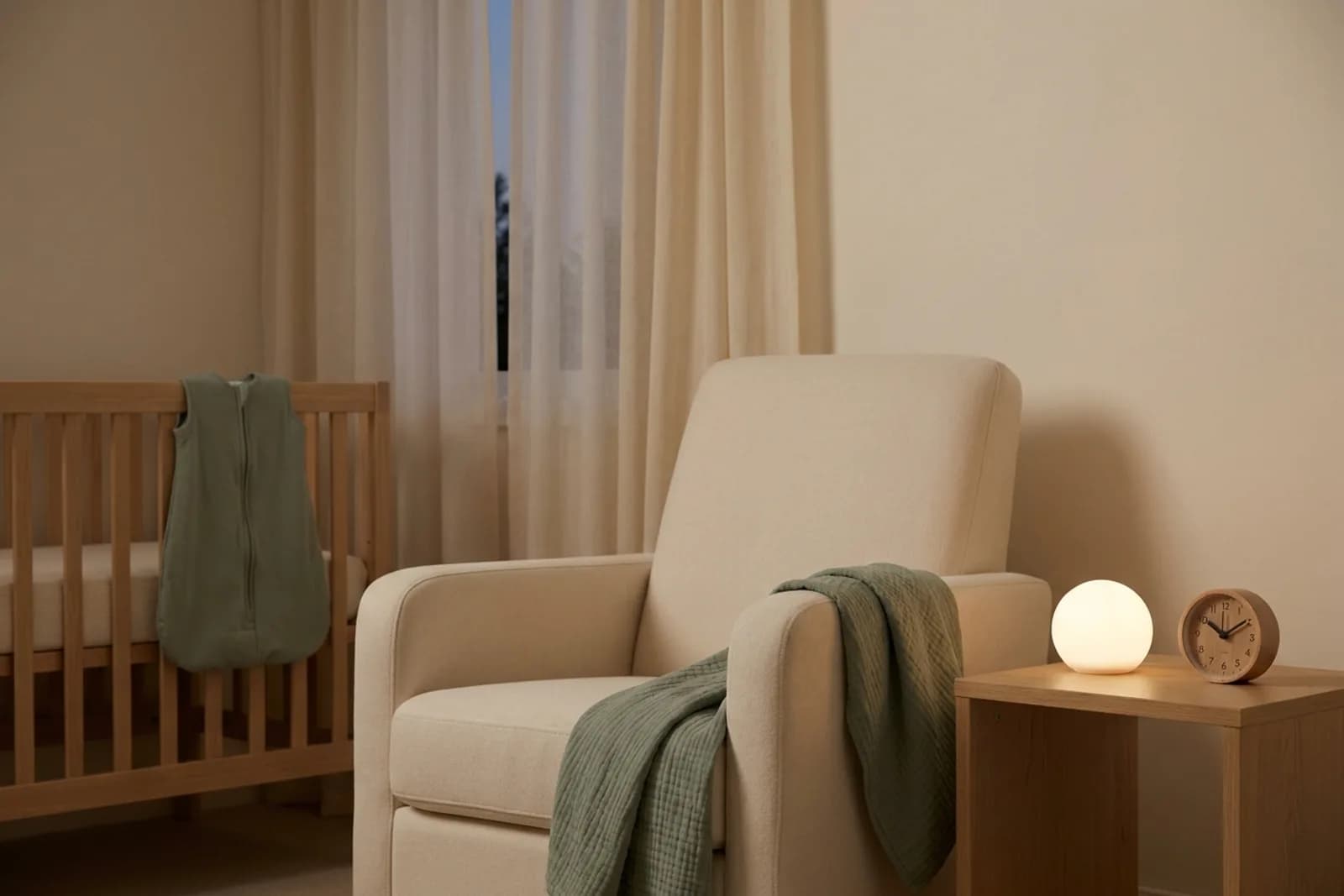
Many babies still wake at night, even after the first months. That is normal and usually not a problem. You support longer stretches by keeping a calm daytime rhythm, keeping the room dark, quiet and at a comfortable temperature, and putting your baby down drowsy but awake. Always keep following safe sleep guidance.
What to remember
- Sleeping through is a development, not a switch. Expect setbacks after illness, leaps or travel.
- A predictable day and evening rhythm calms the night more than any single trick.
- Put your baby down drowsy but awake, so they learn to settle back on their own.
- Discuss ongoing worries about sleep, growth or breathing with your health visitor or doctor.
What is normal around sleeping through?
Waking at night is part of healthy baby sleep. Babies have shorter sleep cycles than adults and stir lightly between them. Some settle themselves again, others still need a little help.
Around six months some babies sleep longer stretches, but the range is wide. Do not compare your baby with an average from an app. Look instead at whether they are content, alert and growing during the day.
Start with a safe, calm sleep base
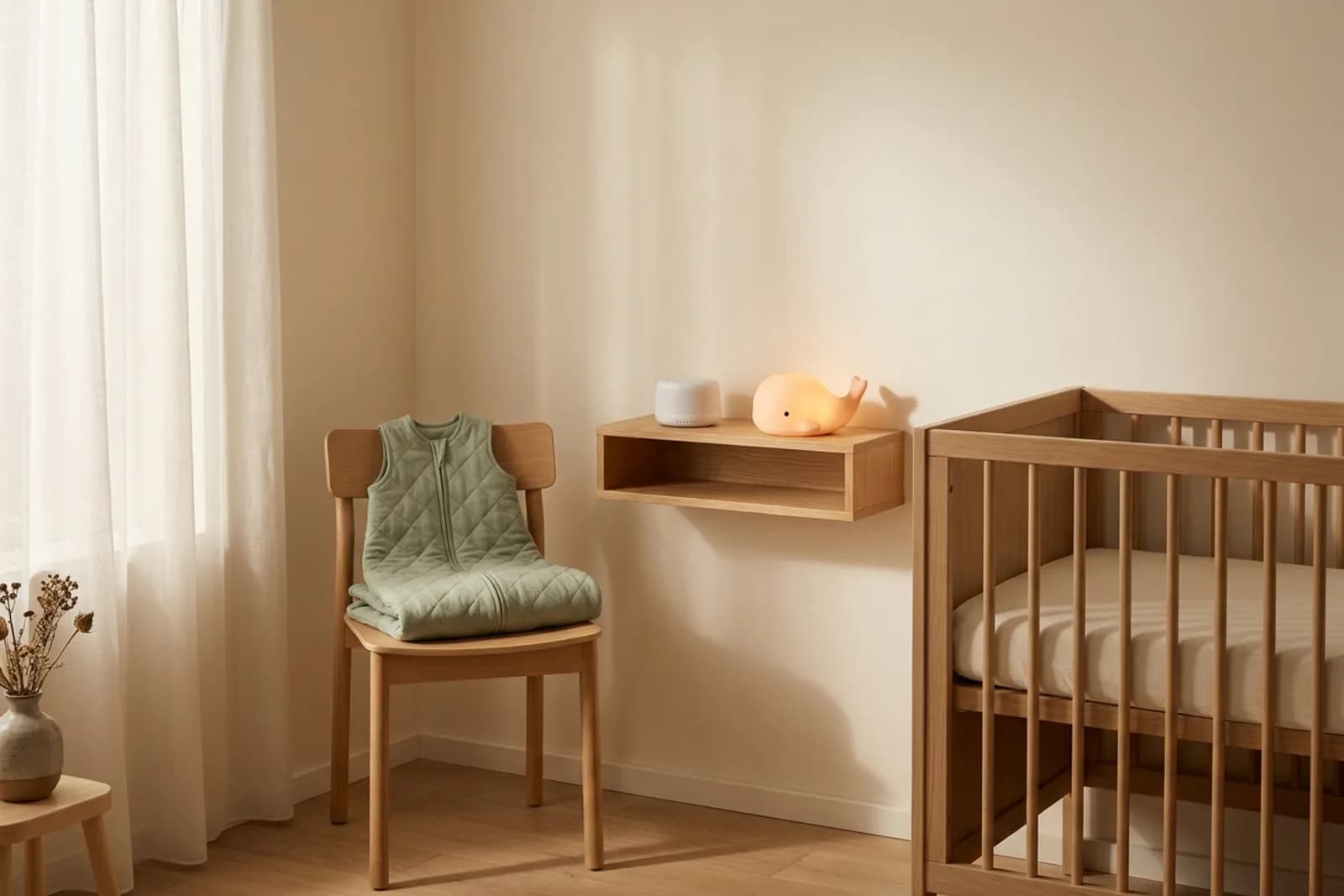
Safe sleep advice comes down to a few points: on the back, in their own cot, in a sleeping bag and in an empty cot. This base is separate from how well your baby sleeps through, but it creates the calm in which sleep comes more easily.
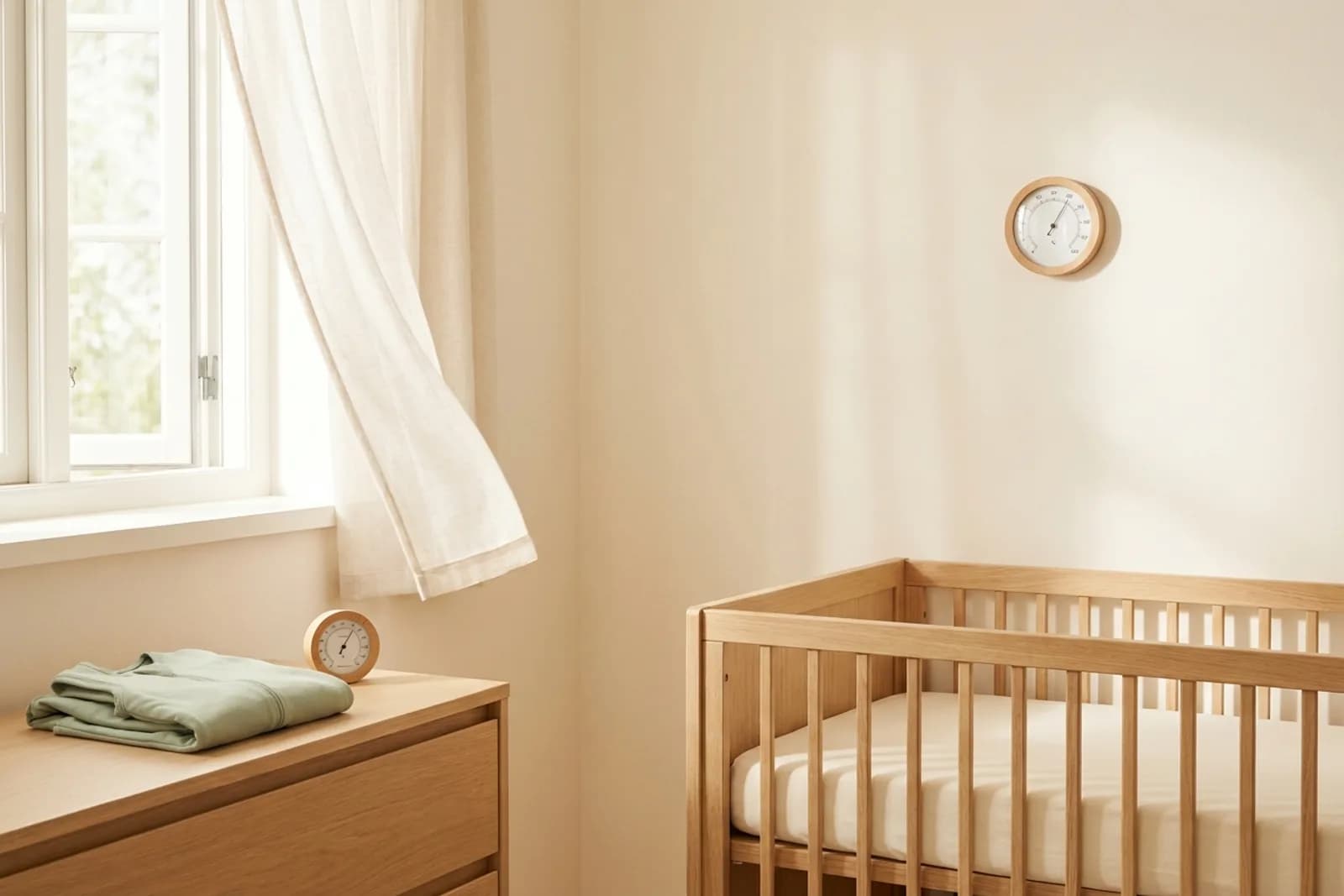
A dark, quiet room at a comfortable temperature helps the body settle. Keep loose blankets, pillows and soft toys out of the cot.
- Place your baby on the back in their own, empty cot with a firm, flat mattress.
- Keep the room dark and at a comfortable temperature, as a guide 16 to 20 degrees.
- Use a well fitting sleeping bag instead of loose blankets in the cot.
Why the day shapes the night
A baby who gets enough feeds, daylight and rest during the day tends to settle more easily in the evening. Overtiredness works the other way: a baby who has been awake too long often settles harder and more restlessly.
A recognisable daily rhythm with steady anchors, such as feeds, fresh air and a fixed wind down, brings more night rest than isolated sleep tricks. Let the clock be a tool, not the boss.
Putting your baby down drowsy but awake
Babies who reach their own cot drowsy but awake more often learn to move between sleep cycles by themselves. If your baby always falls asleep on the arm or breast, they often look for that same help in the middle of the night.
Build this up calmly and step by step. Respond to waking in a predictable way and with as little stimulation as possible, so the night stays quiet and unremarkable.
- Notice early sleep cues such as yawning, looking away or rubbing the eyes.
- Put your baby down before they have fully fallen asleep.
- Keep night care calm: dim light, soft voice, little movement.
Where aids help and where they do not
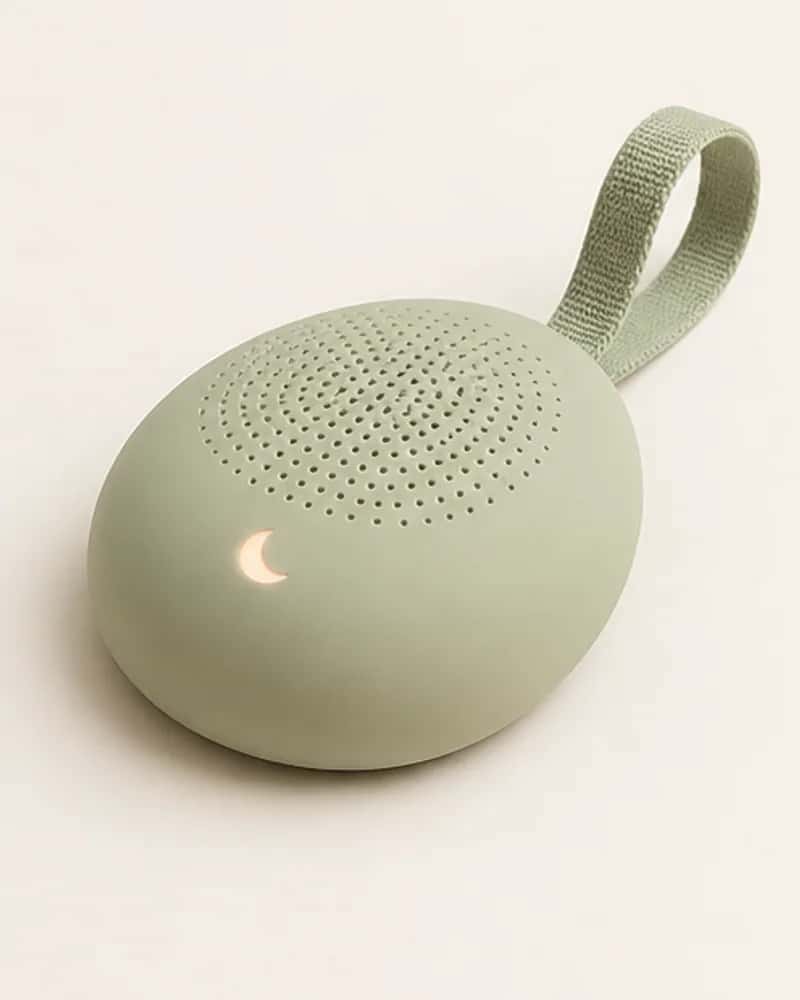
A soft, constant sound can mask household noise and mark the transition to sleep. Place such a device at a safe volume and away from the cot. A dimmed night light makes night feeds calmer without waking your baby fully.
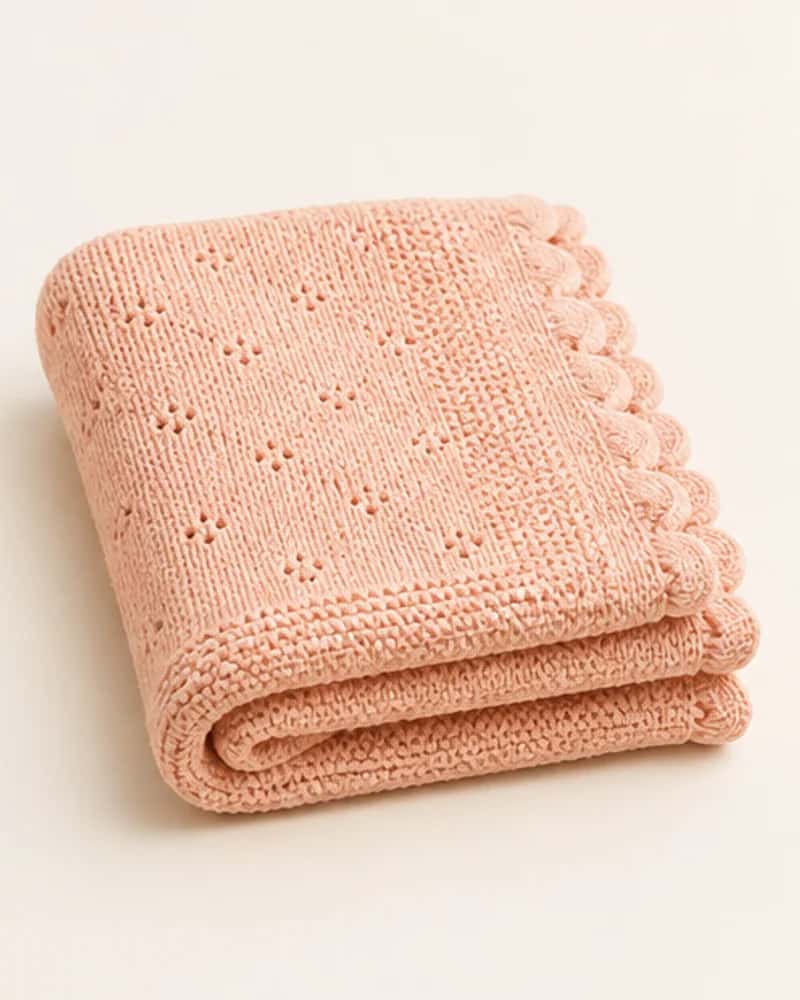
No product makes a baby sleep through or makes sleep safe. See a night light, a sound machine or a familiar blanket as support for a good routine, never as a replacement for safe sleep guidance.
Frequently asked questions
When will a baby sleep through the night?
It varies widely. Some babies sleep longer stretches around six months, others later. Night waking stays normal and is usually no cause for concern.
Does white noise help with sleeping through?
A soft, constant sound can mask household noise and mark the transition to sleep. Set the device at a safe volume and away from the cot, and see it as support, not a solution.
My baby used to sleep through and now wakes again. Why?
Setbacks are part of it, for example after illness, teething, a developmental leap or travel. Keep the familiar rhythm and sleep usually recovers by itself.
Should I let my baby cry to learn to sleep through?
There are different approaches and none suits every family. Choose what fits you and discuss doubts or ongoing problems with your health visitor or doctor.
Sources and review
This guide draws on safe sleep advice from VeiligheidNL and the sleep information from the NHS. It does not replace individual advice from your health visitor or doctor. Last content review: 16 July 2026.