Babies develop at their own pace, but there are recognisable stages. In the first months it is about settling in, bonding and the day-night cycle. Around 4 to 6 months come rolling and first tastes, around 7 to 9 months sitting and crawling, and around 10 to 12 months standing and first words. Do not compare with other babies.
What to remember
- Milestones are guidelines with broad margins, not deadlines.
- Each stage calls for a different, safe environment and different items.
- Rest, repetition and closeness form the basis in every period.
- If you have doubts about development, your health visitor can help.
0 to 3 months: settling in and bonding
In the first months your baby gets used to the world outside the womb. Sleeping, feeding and crying take turns without a fixed rhythm. Your baby learns your voice and face and begins to respond with looking and those first smiles.
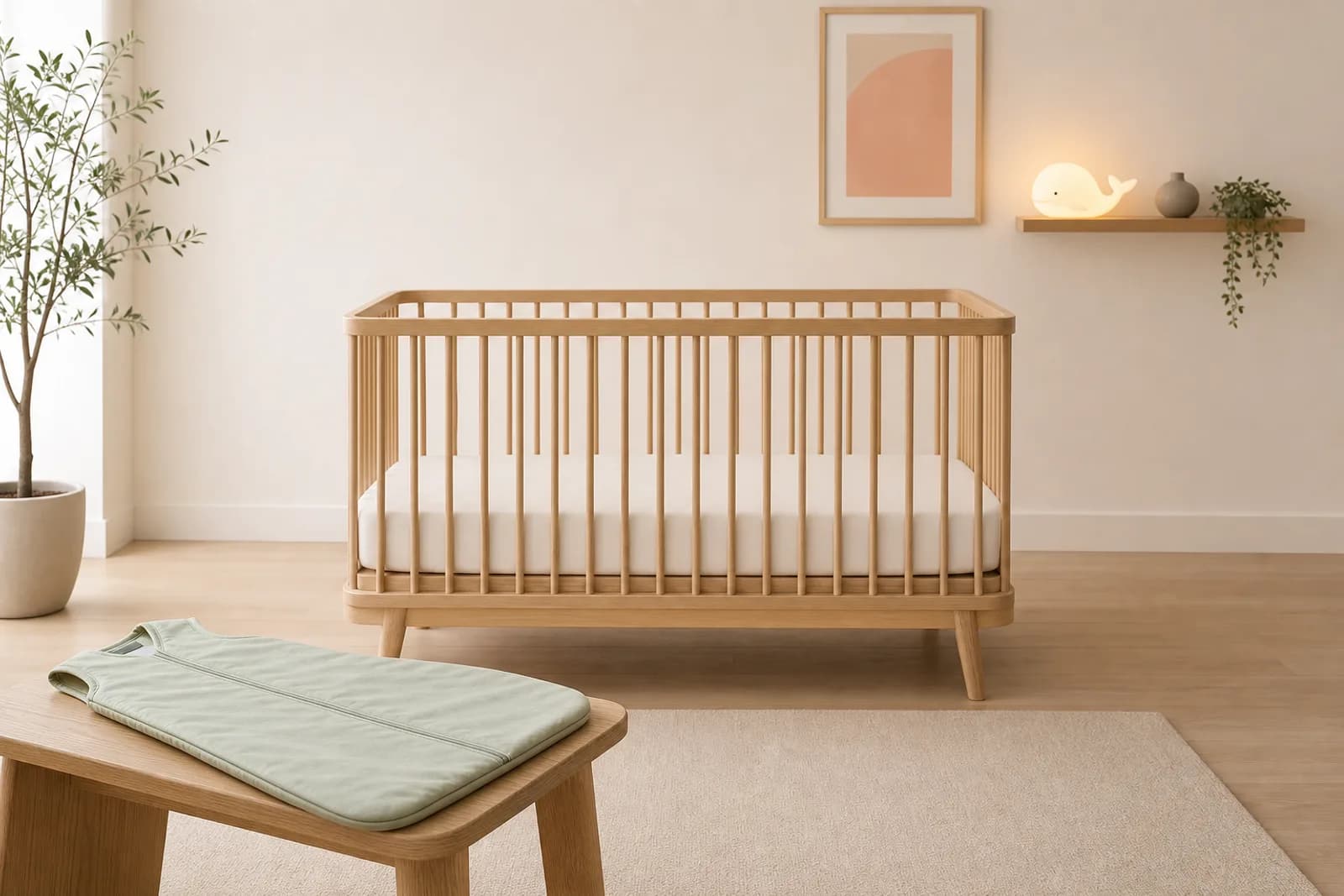
What helps in this stage is predictability and a calm place to sleep. A soft night light makes night feeds calmer, and a well-fitting sleep sack keeps your baby at temperature without loose blankets.
- Lots of sleeping and feeding, no fixed day-night rhythm yet.
- Follows sound and faces, makes those first moments of eye contact.
- Keep the surroundings calm and the stimulation low.
4 to 6 months: rolling and first tastes
Around this age your baby becomes more active. Grasping, rolling from back to front and bringing everything to the mouth are all part of it. Often more regularity appears in sleeping and feeding.
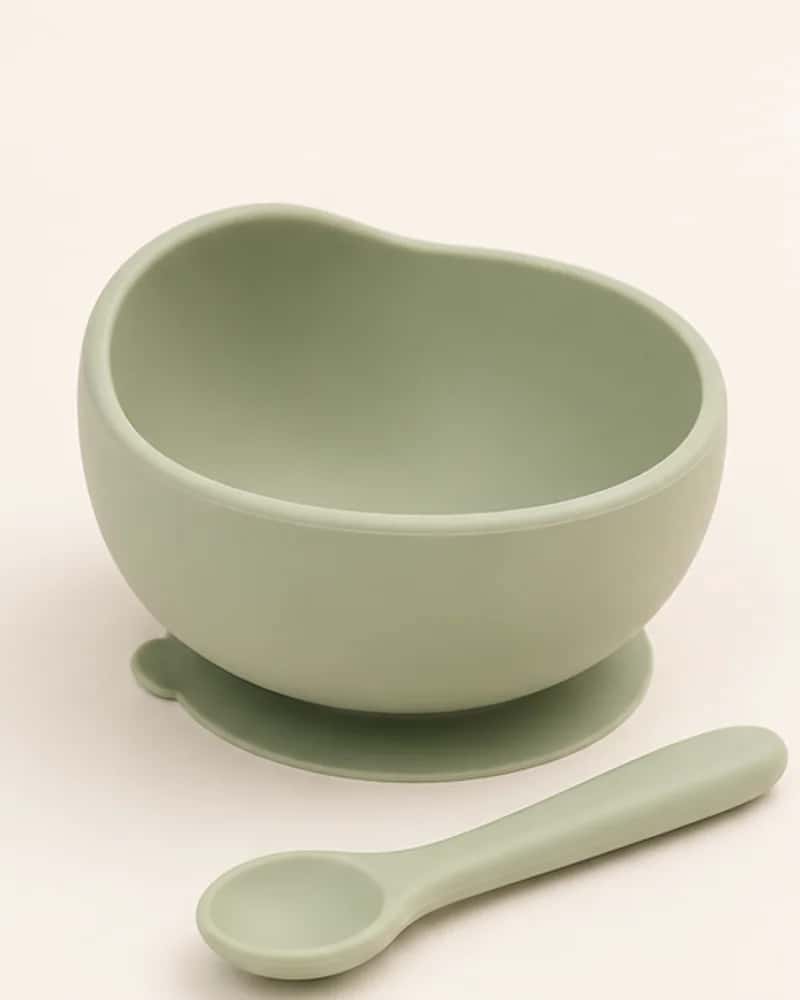
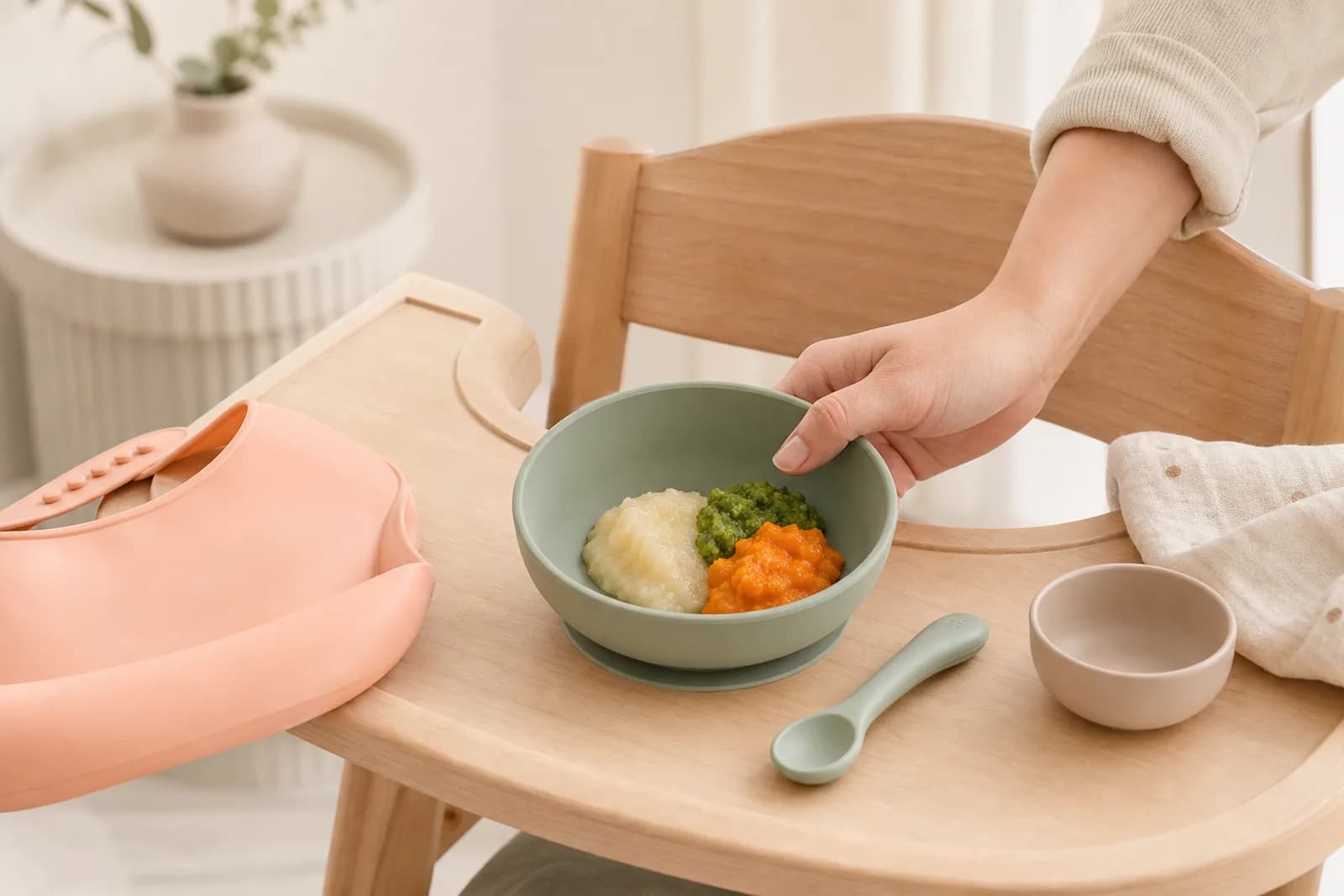
This is also the period of the first practice tastes, alongside breast or bottle feeding. A sturdy, soft bowl and a calm place at the table make discovering flavours gentler.
- Rolls over, grasps with purpose and brings things to the mouth.
- More regularity in sleeping and feeding moments.
- First practice tastes, milk feeding remains the basis.
7 to 9 months: sitting, crawling and exploring
Many babies now learn to sit independently and begin to shuffle or crawl. The world gets bigger and your baby wants to investigate everything. This is the moment to make the environment safe for a crawling explorer.
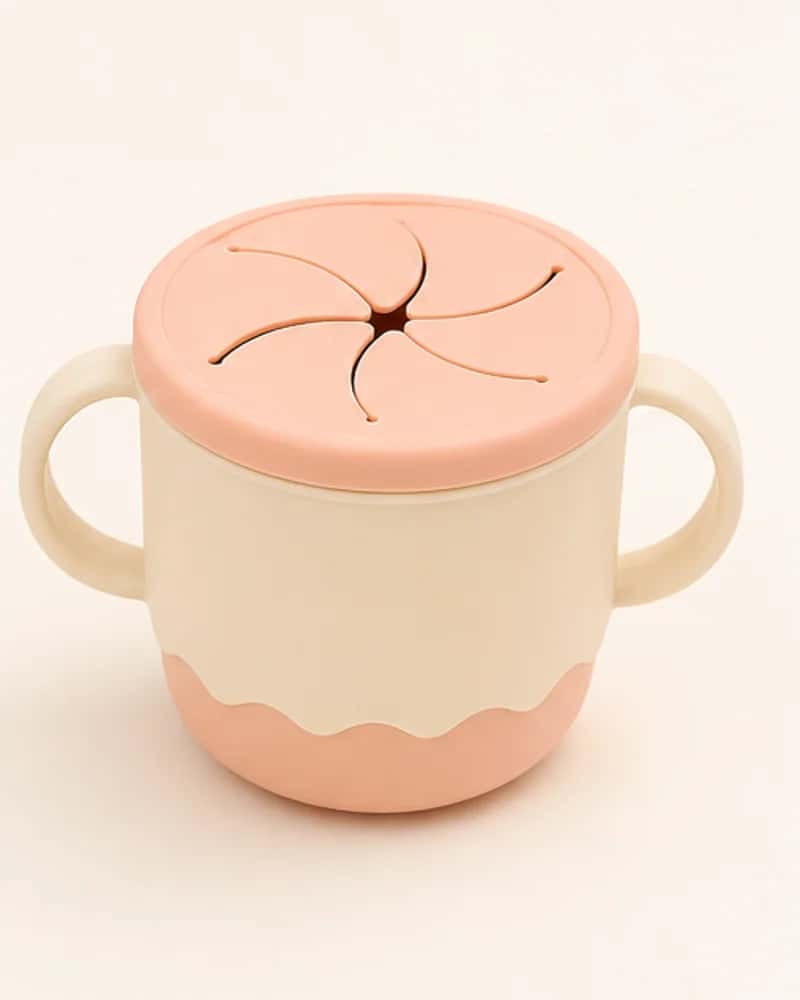
Eating becomes more exciting, with more structure and practising alone. A divided plate or snack cup helps your baby practise independently, at their own pace and under supervision.
- Sits independently, begins to crawl or shuffle.
- Investigates everything, picks up small things between thumb and finger.
- Make the floor and the cupboards at crawling height safe.
10 to 12 months: standing, pointing and first words
Towards the end of the first year your baby pulls up, stands with support and perhaps takes those first steps. Pointing, waving and babbling with recognisable sounds belong to this stage.
Your baby understands more and more and enjoys playing and reading together. Repeating simple games and fixed rituals give reassurance and fun.
- Pulls up to stand, walks along the sofa or takes first steps.
- Points, waves and babbles with recognisable sounds.
- Understands short sentences and enjoys playing together.
When you have questions about development
Development happens with broad margins. One baby crawls early and talks late, another the other way around. A single milestone that comes later says little on its own, it is the overall picture that counts.
If you are worried, for example about movement, hearing, sight or making contact, discuss it with your health visitor or GP. They will look with you and either reassure you or refer you on.
Frequently asked questions
When will my baby sit and crawl?
Sitting independently often comes between 6 and 9 months, crawling around 7 to 10 months. The margins are broad and not every baby crawls in the same way.
Should I worry if my baby reaches a milestone later?
Usually not. Milestones have broad time frames. If a skill stays away for a long time or you have doubts, discuss it with your health visitor.
Which toy suits which age?
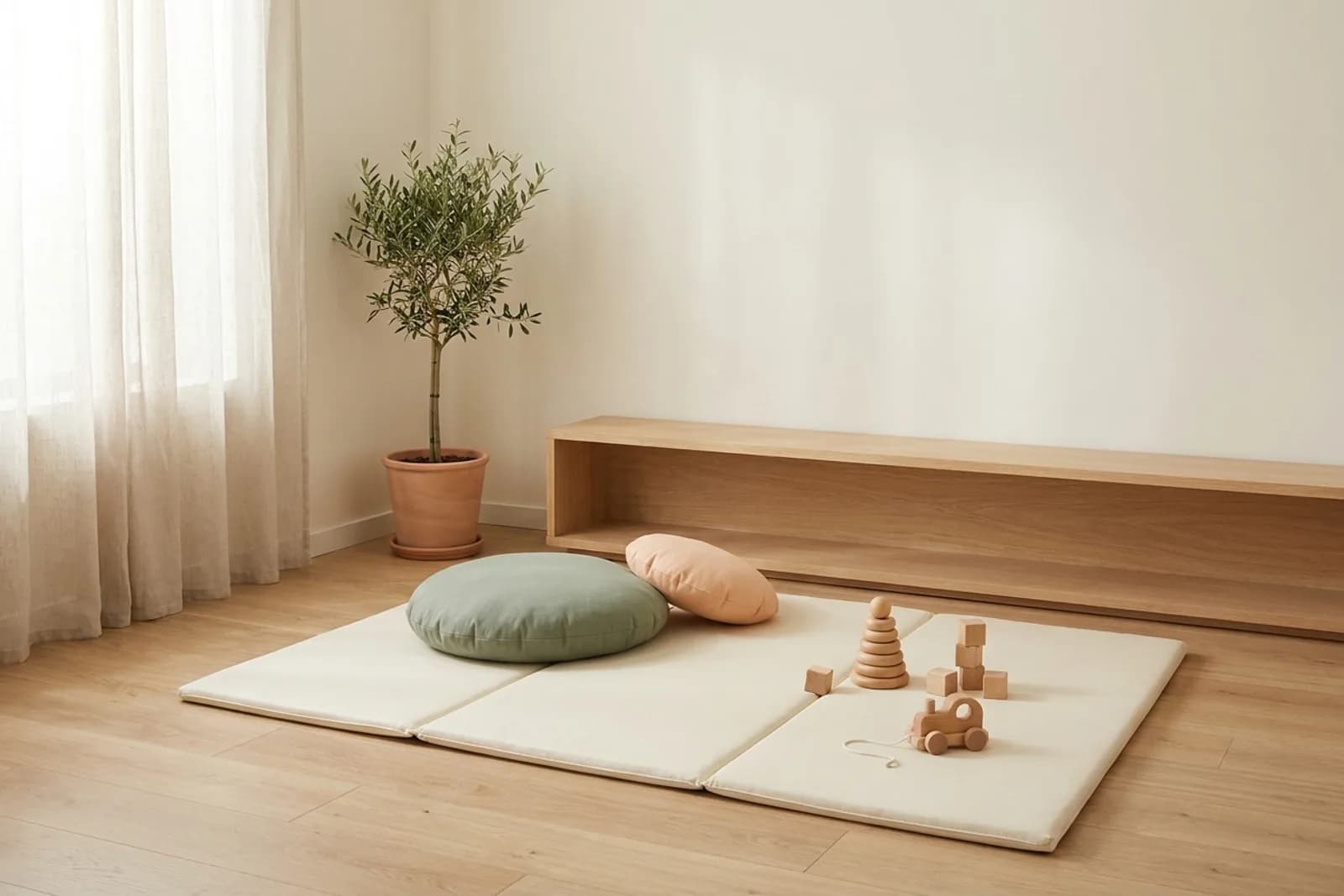
Choose toys that suit what your baby is practising now: high-contrast looking toys when young, grasp and teething toys around rolling, and stacking and push toys as sitting and standing arrive.
Sources and review
This guide follows the information from Groeigids, the NHS and the WHO on babies' motor development. Always discuss any concerns about development with your health visitor or GP. Last content review: 17 July 2026.