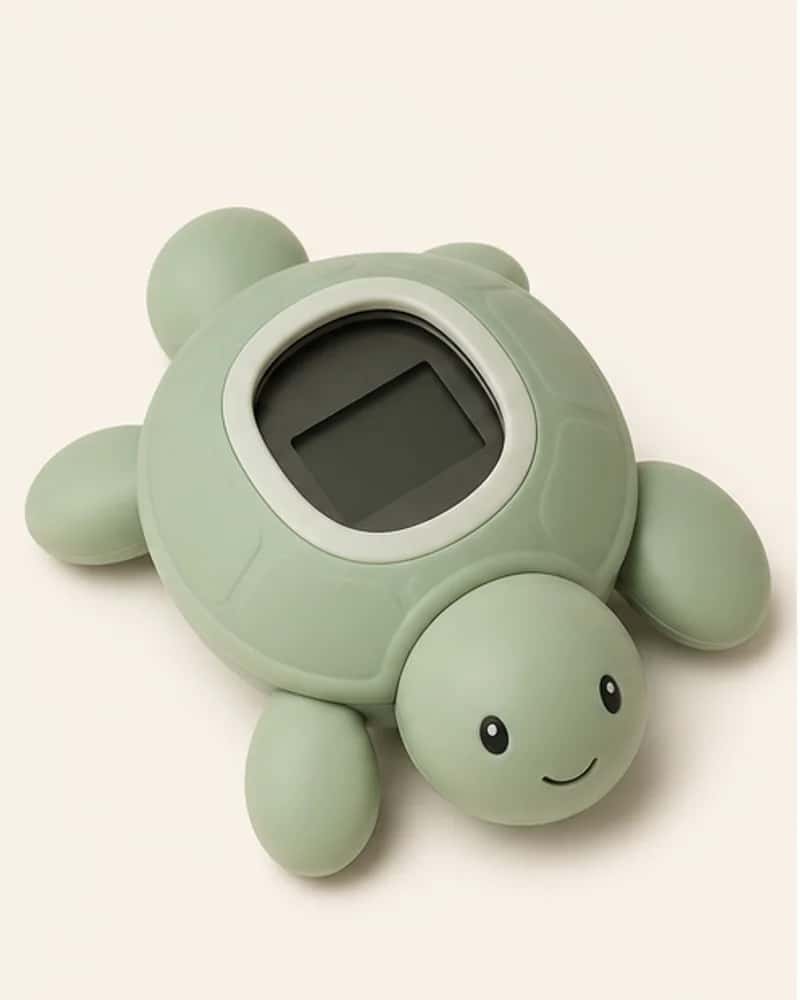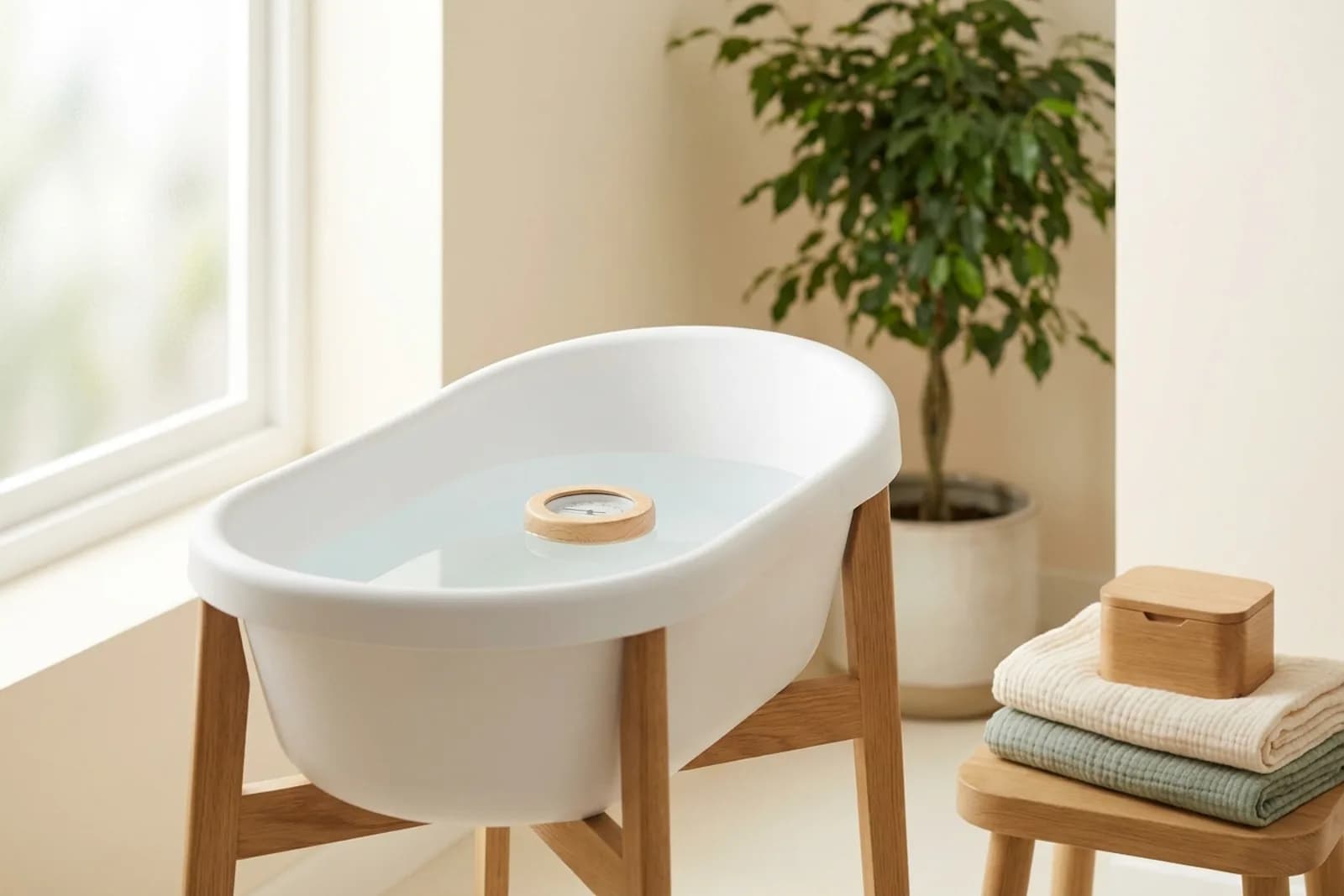
Bath water for a baby is around 37 degrees, body warm. Thuisarts suggests 37 to 38 degrees, the German BZgA keeps to 36 to 37 degrees, so aim for about 37 with a margin of 36 to 38. Test with a bath thermometer and double-check with your elbow, run cold water first and then warm, and never leave your baby alone in the bath.
What to remember
- Aim for about 37 degrees, body warm, with a margin of 36 to 38.
- Test with a bath thermometer and double-check with your elbow or wrist.
- Run cold water first and then warm, and never top up with hot water during the bath.
- Never leave your baby alone in the bath, not even for a moment.
What temperature should bath water be?
Thuisarts.nl advises bath water of around 37 to 38 degrees Celsius. The German BZgA keeps it slightly cooler, at a maximum of 36 to 37 degrees, and prefers a touch too cool over too warm. The NHS gives no exact figure, but describes it as body warm: the water should feel like your own body temperature.
A safe rule of thumb is therefore about 37 degrees, with a margin of roughly 36 to 38. If it feels lukewarm and pleasant, you are on the right track. If you are unsure or your baby reacts differently, check with your health visitor or midwife.
How do you test the water temperature safely?
A bath thermometer gives the most reliable reading. Alongside it, feel with the inside of your wrist or your elbow, because that skin is more sensitive than your hands. Stir the water well and check in several places, so no warm layer or hot spot is left behind.
Run the bath with cold water first and then with warm. This prevents a hot bottom for your baby to sit on. Turn off the hot tap afterwards and always feel again before your baby goes into the water.
- Bath thermometer as the main reading, wrist or elbow as an extra check.
- Cold water first, then warm, and stir it through well.
- Feel again in several places, not just near the tap.
Room temperature, how long and how often
Warm the bathroom first, because a baby cools down quickly. A room of around 21 to 24 degrees is comfortable. Keep the bath short, about five to ten minutes, especially with newborns.
Daily bathing is not necessary. Thuisarts suggests two to three times a week, the German BZgA keeps to one to two times a week. On other days you can wash the face, hands and bottom with a flannel. Choose what suits your rhythm.
Safe in the bath: never alone, shallow water, no hot top-ups
VeiligheidNL is clear: never leave your baby alone in the bath, not even for a moment. A child can drown in as little as ten centimetres of water, and it happens quietly and quickly. Put everything you need within reach beforehand, and let the phone ring if you have to.
Keep the water shallow, around eight to ten centimetres. Never top up with hot water while your baby is in the bath: water at sixty degrees causes burns within seconds. VeiligheidNL advises against a bath seat, because it gives a false sense of security.
- Always stay within reach, and never leave the bathroom.
- Water depth around eight to ten centimetres.
- Never top up with hot water during the bath.
What do you wash your baby with? And the umbilical stump
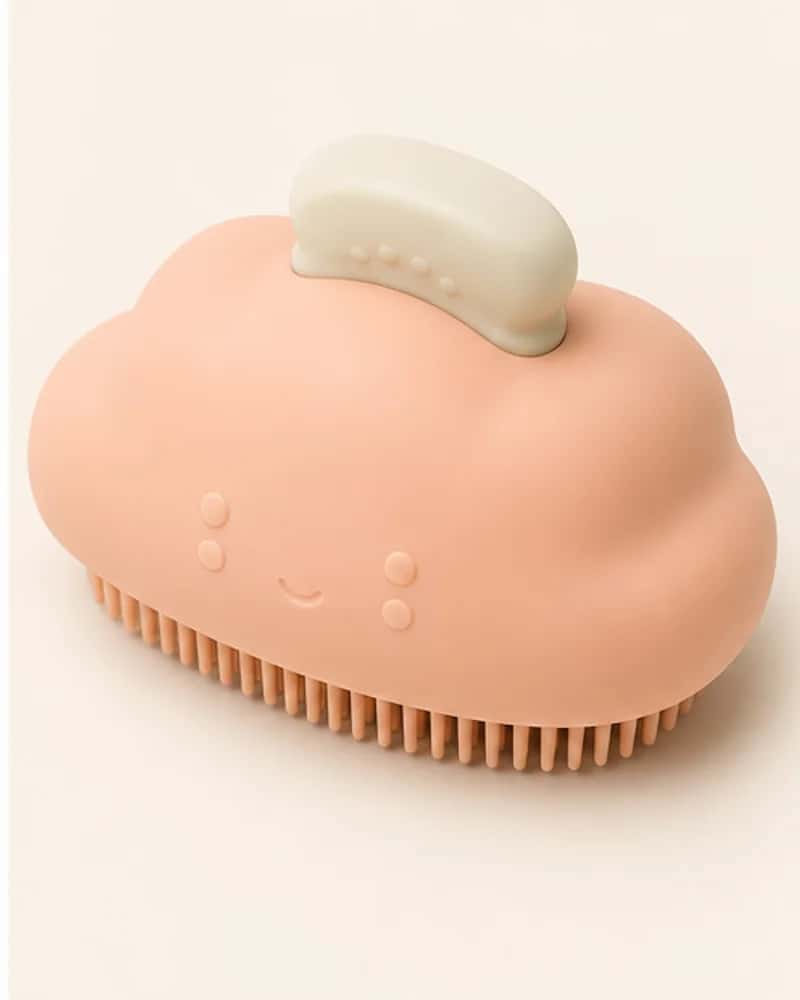
In the first weeks, clean water is enough. The NHS advises avoiding lotions and oils until your baby is at least a month old, and the BZgA keeps to water only for the first six to eight weeks. After that you can use a mild baby wash if you like. Do not add oil to the bath water, because it makes your baby slippery.
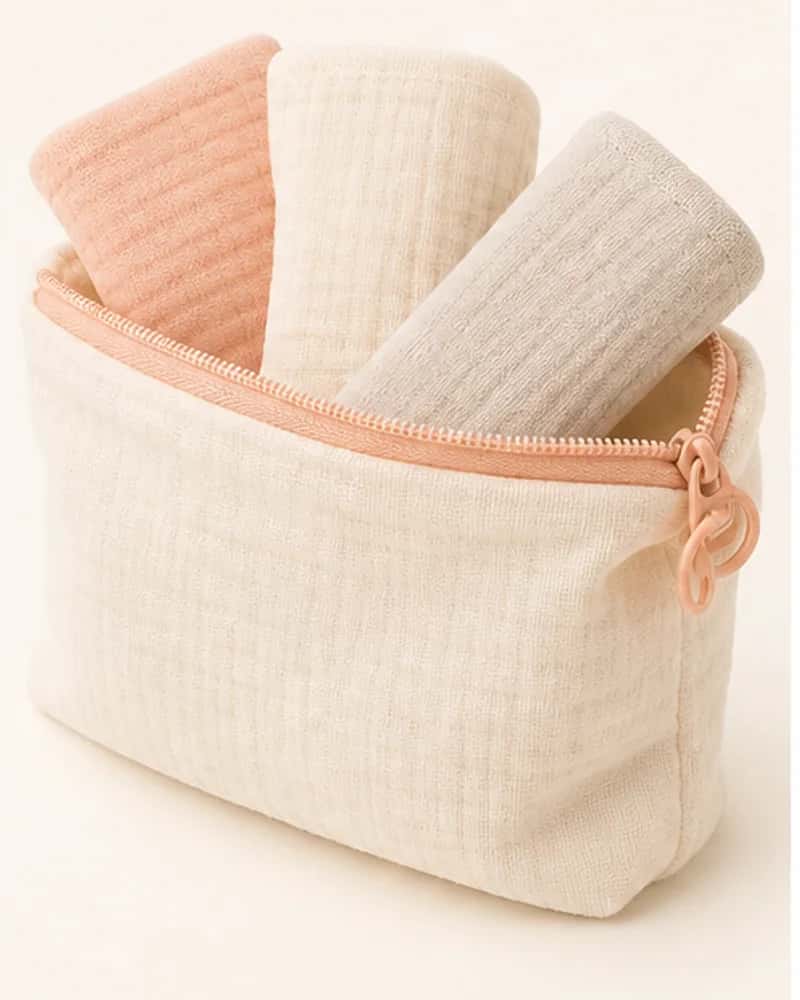
Guidance on the umbilical stump differs slightly. The BZgA recommends washing with a flannel rather than a full bath before the stump falls off. Thuisarts is more relaxed and says bathing is fine, as long as you pat the navel dry well afterwards. If you are unsure, follow the advice of your midwife or health visitor.
Bathing together with your baby
Bathing together can be a warm and calm moment, as long as you do it safely. Keep the water at around 37 degrees, make sure the room is warm and always keep the head above water. Ideally, ask a second person to hand you your slippery baby and lift them back out afterwards, so you do not have to stand up alone with a wet baby.
For the first time, it is best to do this with your midwife or maternity carer, and to practise the holds while dry. These are practical tips, not medical instructions: if you have questions about the skin, the navel or safety, check with your health visitor or GP.
Frequently asked questions
How warm should a baby's bath water be?
Around 37 degrees, body warm. Thuisarts suggests 37 to 38 degrees, the German BZgA 36 to 37 degrees, so keep to about 37 with a margin of 36 to 38.
How do I check that the bath water is not too hot?
Use a bath thermometer and double-check with your elbow or wrist. Run cold water first and then warm, stir it through well and never top up with hot water while your baby is in the bath.
What can I wash my baby with?
For the first six to eight weeks, clean water is enough. After that a mild baby wash is fine. Do not add oil to the bath and let the umbilical stump dry well first. If in doubt, check with your health visitor.
Can I bathe together with my baby?
Yes, as long as the water is around 37 degrees, the room is warm and the head stays above water. Ideally ask a second person to hand the baby over and lift them out, and do it with your midwife the first time.
Sources and review
This guide follows the information from Thuisarts.nl, the NHS, the German BZgA (kindergesundheit-info.de) and VeiligheidNL on bathing and bath safety. Guidance on temperature and the navel can differ slightly; discuss your situation with your health visitor or midwife. Last content review: 17 July 2026.